
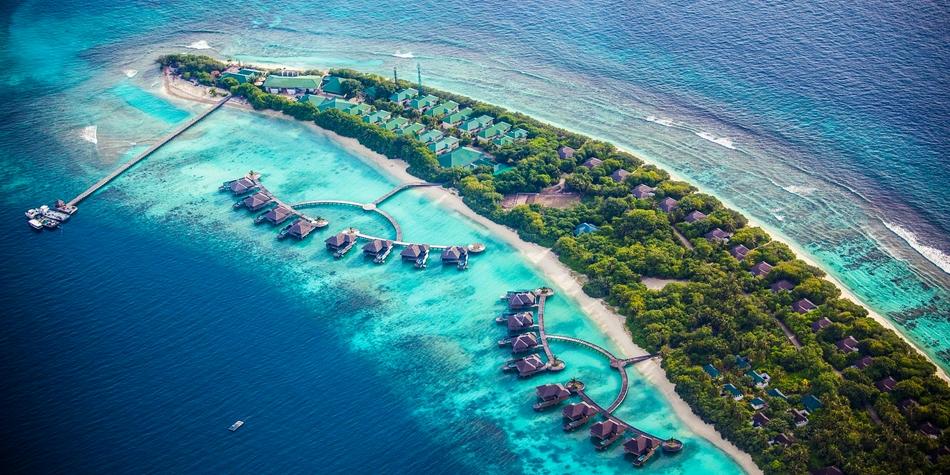
Stand on a sandbank at low tide and the problem is easy to miss. The water is warm, the reef glows a few metres out, and the horizon looks exactly as it did a generation ago. The numbers tell a different story: the sea around the archipelago has risen by roughly three to four millimetres a year, and the reef that once broke the swell is dying back as the water warms.
The threats compound each other. Coral bleaching removes the natural breakwater, so storm surges reach further inland. Wetter monsoons and more frequent tropical storms then erode beaches that the reef used to rebuild. On the lowest islands the fresh-water lens beneath the sand is already turning brackish.
Planners are responding on two fronts. Reclaimed land is being raised well above the historic high-water mark, and new housing is concentrated on the islands that can be defended. Whether that buys decades or merely years depends on decisions taken far from these shores.
Comments
Sign in to join the conversation.
No comments yet — be the first.